
Reviewed · AJACCIO TOURS
Ajaccio: Private Tour, History and Gastronomy, Food Tour
History in Ajaccio tastes better.
This private walk mixes Genoese occupation history with real Corsican food culture, and you get both in a tight 2 hours. I especially liked the way the guide brings the city’s past to life and the market-and-deli tastings that connect geography to what ends up on your plate. One drawback to plan around: it is not a long museum day, you mainly get walking, photo stops, a cathedral visit, then food.
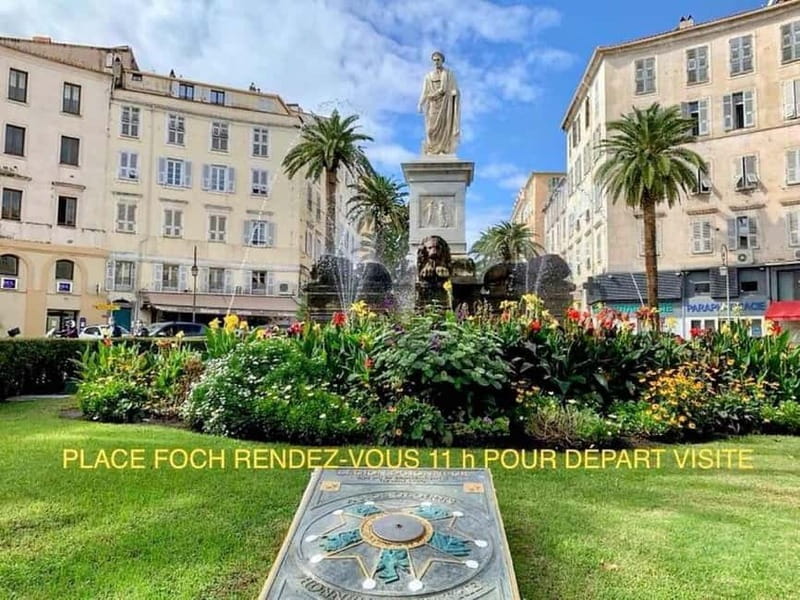
You start at Place Foch at 11 am, right by the Napoleon fountain area (the Fountain of the 4 Lions). From there, the route threads through Ajaccio’s historic center, with a Port de plaisance Tino Rossi visit plus several key highlights like the Citadelle, Ajaccio Cathedral, and Maison Bonaparte, before finishing at a Corsican delicatessen for a focused tasting.
In This Review
- Key highlights to look forward to
- Starting at Place Foch and getting your bearings fast
- Genoese occupation and the mountain food connection
- Port de plaisance Tino Rossi, then photo stops with purpose
- Ajaccio Cathedral stop: why it matters (and what you skip)
- Marcatu d’Aiacciu market time: the tasting engine of the day
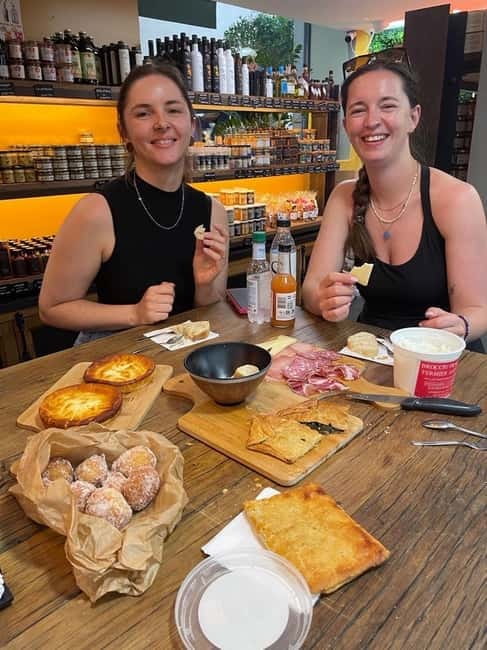
- Corsican sweets: bruccio doughnuts and fiadone pie
- Why the $88 price feels fair for a private history and food walk
- Pacing, steps, and what to wear for comfort
- When a local guide like Nicole makes the difference
- Should you book this Ajaccio history and gastronomy tour?
- FAQ
- Where does the tour start?
- What time does the tour run, and how long is it?
- What languages are the guides available in?
- What food will you taste on the tour?
- Does the tour include museum visits?
- Where does the tour end?
Key highlights to look forward to
- Place Foch start under Napoleon’s gaze, then you get instant orientation in the historic center
- Genoese occupation backstory in the 16th century, plus how Corsicans survived invasions
- A market stop at Marcatu d’Aiacciu, built for producers, resellers, and regional food sampling
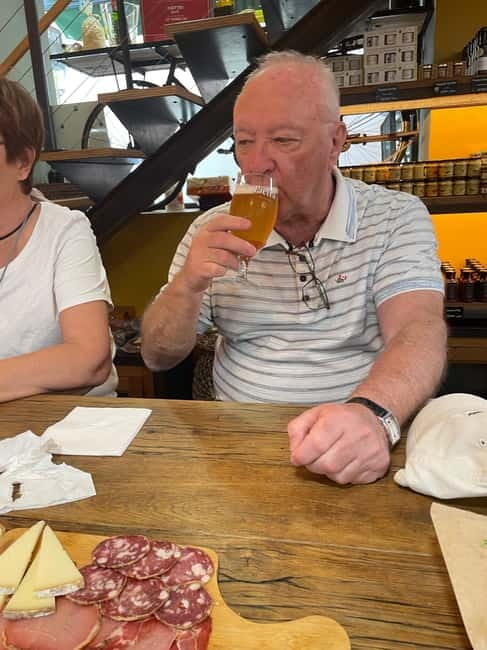
- Seasonal savory tastings, including charcuterie, cheese, and puff pastry with onions or greens or squash
- Corsican sweets like bruccio, served for celebrations and often showing up at weddings and baptisms
- Optional follow-up time since you pass by museums without stopping inside
More Ajaccio charcuterie and cheese boards:
- Ajaccio: Local Food Tour with Tastings★ 4.8 · 83 reviews
- Ajaccio/Porticcio: Sanguinaires Sunset Cruise & Wine Tasting★ 4.7 · 539 reviews
- NO DIET CLUB – Unique local food tour in Ajaccio (English/French)★ 4.5 · 30 reviews
Starting at Place Foch and getting your bearings fast
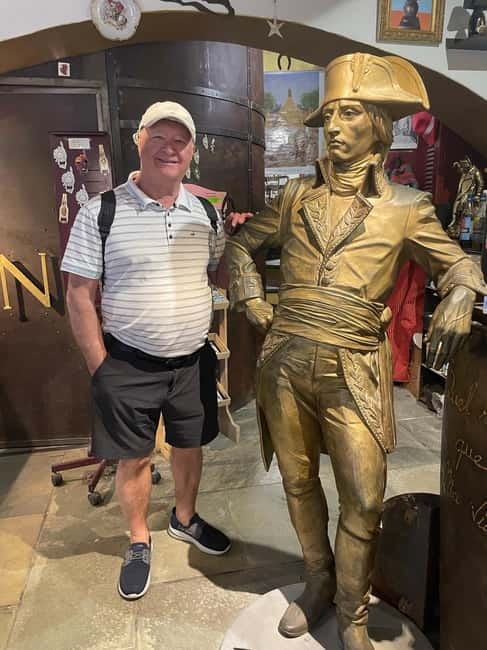
Place Foch is a smart launch point because it ties history to the present. The meeting spot is in front of the Jardinet de la Statue de Napoleon Bonaparte 1er Consul, at the foot of the area known as the Fountain of the 4 Lions. Even if you are new to Ajaccio, this sets the tone: you are walking an imperial city that still carries Napoleon’s shadow.
I like that the tour keeps you moving. Instead of lingering in one spot, you walk through old lanes and iconic areas so you can understand the city’s shape. You also get a clear rhythm: short looks and photo stops where it makes sense, then real time for food when you arrive at the market and delicatessen.
And because it is a private group with a live guide in English or French, you can ask practical questions as you go. That matters here, because the historical context is not abstract. It explains why people lived where they did, what they ate, and how Corsican cuisine developed under pressure.
Genoese occupation and the mountain food connection
The heart of this experience is the story you hear about Ajaccio’s origins during the Genoese occupation in the 16th century. You get the sense that the city did not grow in peace. It grew under constraints, with an Ajaccian population facing a tough and often precarious life under Genoa.
The guide also connects Corsica’s larger reality to Ajaccio: permanent occupations and barbarian invasions shaped everyday living. One of the most useful ideas you carry with you is geographic. Corsicans lived in the mountains more than along the sea, partly because of invasions and fear of malaria.
That is not just history trivia. It is food logic. When you live higher up, you tend to build your diet around what the mountains can produce and preserve. That is why the tour frames Corsican cuisine as something more than a “local flavor.” It is a survival story, turned into tradition.
Port de plaisance Tino Rossi, then photo stops with purpose
After you leave Place Foch, you head toward the Port de plaisance Tino Rossi for a visit. This stop helps you read Ajaccio as a coastal city, even while the history lesson warns you that people were not always safe or free to live by the water. You get a helpful contrast right away: what you see today versus what the past pushed people to do.
Next come the photo stops that keep the pacing efficient. At the Citadelle d’Ajaccio, you get time for photos and a quick look that gives you a sense of how the city was organized around defense. At Ajaccio Cathedral, you also pause for a photo stop. It is a good moment to connect architecture to the sense of permanence people were trying to build during hard times.
Maison Bonaparte is another photo stop that grounds the whole Napoleon theme. You see the imperial association without turning this into a long sightseeing marathon. That balance is ideal if your main interest is the blend of history and food, not a full day of monuments.
There is a practical downside to know: the tour passes by museums rather than going into them. If you want to spend hours inside specific sites, plan to return later on your own time. But if you want a high-impact overview plus a serious food finish, this structure works well.
Ajaccio Cathedral stop: why it matters (and what you skip)
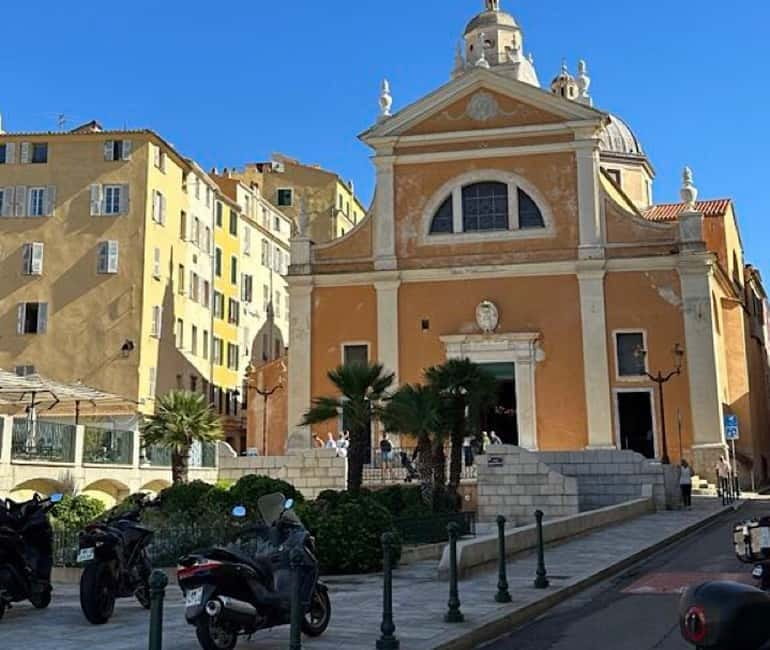
The cathedral visit is one of the included stops, so it is not just a photo moment. You get a chance to see one of the city’s religious landmarks as part of the broader timeline. It helps that your guide is walking you through the idea of Ajaccio as an imperial crossroads. Napoleon’s legacy may be the headline, but churches and civic spaces tell a quieter story about community identity.
What you likely will not do on this tour is museum-heavy studying. The tour is designed to bring you out of “reading-mode” and into “tasting-mode.” For me, that is a positive. It keeps you from overloading your first visit with too many facts before you have a chance to absorb what they mean in everyday life.
If you are the type who loves to pair outdoor walking with optional indoor follow-ups, you will appreciate this setup. After the tour ends, you can decide which museums you truly want to see, instead of committing upfront.
Back on land, or further up the coast:
Marcatu d’Aiacciu market time: the tasting engine of the day
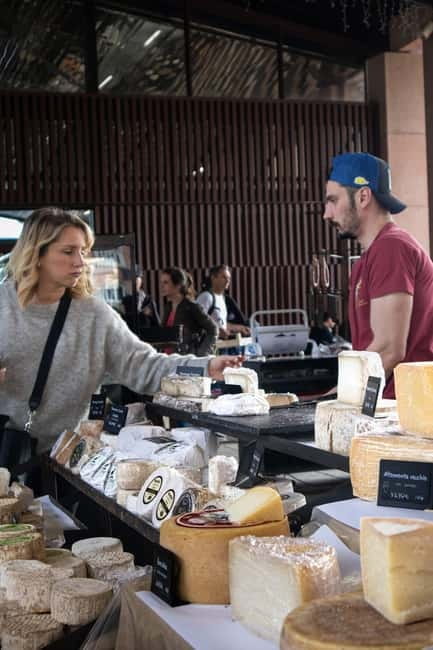
The meal portion starts in the Producers and Resellers Market area, Marcatu d’Aiacciu. This is where the tour shifts gears. Instead of hearing about the past, you start meeting the flavors shaped by it.
You get break time, cheese tasting, and a market visit that focuses on regional food. This is practical sightseeing, not window shopping. Your guide helps you understand what you are looking at and why it matters. Even if you are not a self-proclaimed foodie, you will likely leave with a clearer sense of what makes Corsican food feel distinct.
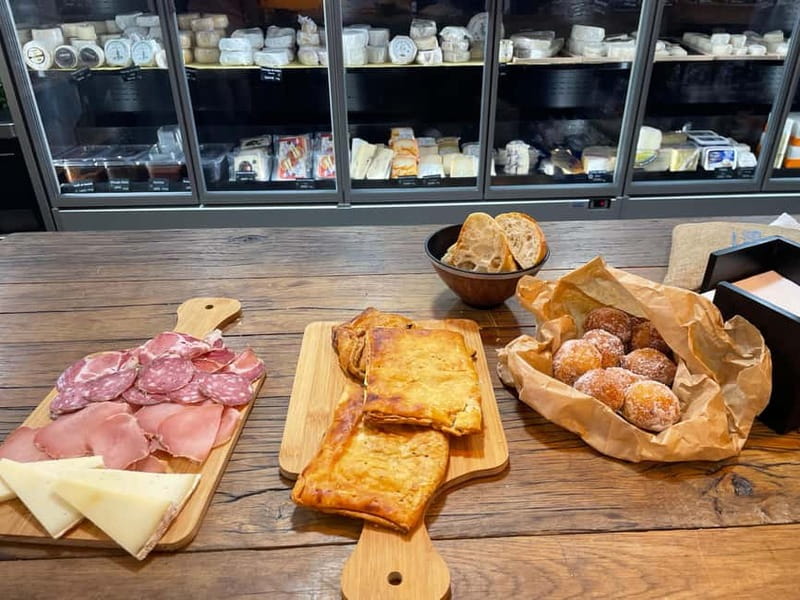
The tasting itself is designed to sample a range, not just one or two items. Included tastings cover charcuterie and cheese, plus traditional Ajaccian puff pastries. The exact filling or topping varies by season, including options like onions, chard, squash, or a combination with chard. That seasonal angle is worth paying attention to, because it tells you Corsican cuisine is tied to what the landscape can reliably deliver at different times of year.
You also get regional food as part of the market experience, so you are not only tasting packaged items. It is a guided way to sample real local products while you are still in “walking mode,” so everything feels connected.
Corsican sweets: bruccio doughnuts and fiadone pie
After the savory part, the tour finishes strong with sweets at a Corsican delicatessen. This is where bruccio shows up, and it is a great example of how food travels with social tradition. Brucio doughnuts are described as a traditional treat served at celebrations like baptisms, communions, and weddings.
If you are wondering how that changes the experience, it is simple. You are not just tasting a donut. You are tasting a food with cultural placement, a snack with a schedule. That is why it feels more meaningful in a guided tour setting than if you randomly buy something later.
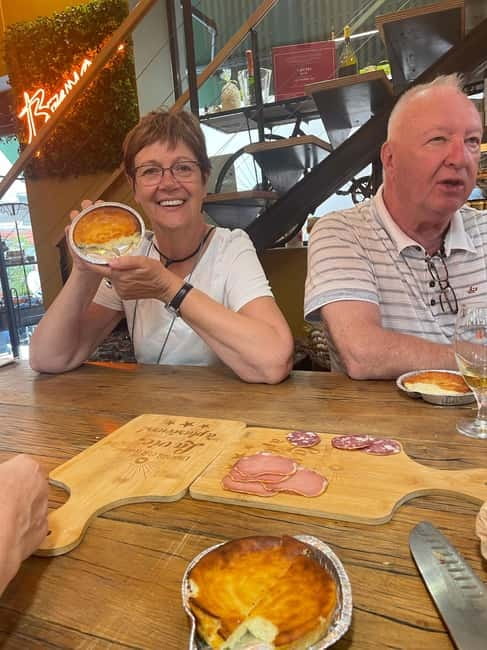
Depending on the season, the sweet portion may also include fiadone, described as a bruccio pie similar to cheesecake. If you have a sweet tooth but prefer something not overly heavy, this kind of dessert profile often lands well. And if you are the type who wants to try both savory and sweet, this tour hands you a well-balanced sequence so you do not just end with sugar fatigue.
One review noted a mix of very good quality meats, cheeses, desserts, and even wines and beers as part of the tasting spread. Even if your exact pour choices may vary, the general takeaway holds: the sweet stop is not an afterthought.
Why the $88 price feels fair for a private history and food walk
At $88 per person for 2 hours, this is not a budget “quick bite” option. But it also is not priced like a full-day tour that includes transport to multiple regions. You are paying for two things that are hard to replicate well on your own: guided interpretation and organized tasting.
First, you get a historic walk focused on Ajaccio’s birth during Genoese occupation and the difficult life under Genoa, plus the larger Corsican context of invasions and long-term insecurity. That narrative makes the food stops more than snack breaks. You learn why the mountains mattered, and then you taste the results of that survival geography.
Second, the tour bundles several tastings in a place that represents Corsican products in a single stop. Included items include charcuterie, cheese, seasonal puff pastry, bruccio doughnuts or fiadone, and the market-and-delicatessen flow that keeps the experience smooth.
If you are visiting Ajaccio for the first time and you want an efficient “history plus food” introduction, paying $88 per person can make sense. It is like buying time and context. You are getting structure, a local perspective, and a food plan so you do not waste your appetite trying to figure out what to order.
Pacing, steps, and what to wear for comfort
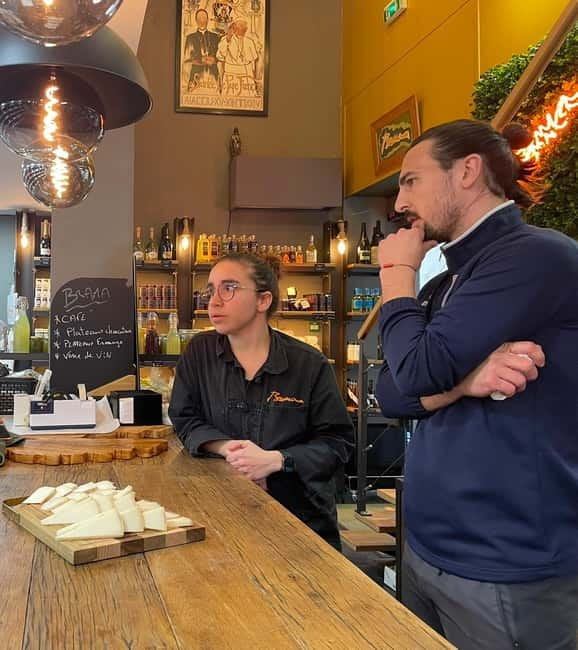
This is a walking tour, but it is not designed for marathon legs. It lasts 2 hours total, starting at 11 am and ending after the tasting. The ending point is at the Brama Grocery Store in Passage Poggiolo, so you do not finish back at the center of the city loop. Plan your next stop with that in mind.
One helpful note from a guide experience: in one case, the route was described as without steps, which can matter if you have relatives or companions who struggle with stairs. I would still treat that as “check with the provider if you have a specific mobility concern,” because conditions can vary by route and weather. But the positive point is clear: this is not an obstacle-heavy sightseeing day.
What I recommend you bring is simple. Plan for hot weather. Bring a water bottle and consider a hat. The tour suggests you bring your own drinks for the walk and tasting, so come prepared with what you like to drink.
For clothing, wear comfortable shoes. Even if you are not tackling steep climbs, you will be in historic lanes and uneven surfaces in parts of the old center.
When a local guide like Nicole makes the difference
The strongest praise from past participants centers on the guide being genuinely local. In one recent experience, the guide was Nicole, and the standout detail was how visible she was in the neighborhood. People greeted her warmly as you moved around, which tells you this is not a generic script tour.
That kind of local fluency changes how the history lands. Instead of feeling like a lecture, the story feels connected to real places and real community memory. You also get more than facts. You get context, which is why your mental map of Ajaccio becomes clearer by the end.
Nicole’s style was also described as in-depth, with plenty of interesting conversation during the route. That matters because the timeline can get heavy if you only hear dates. Here, the guide ties the Genoese occupation and constant conflict to daily life, then translates it into food that you can taste.
Should you book this Ajaccio history and gastronomy tour?
Book it if you want an efficient first connection to Ajaccio that blends history and eating in a way that actually makes sense. This is a great fit for couples, friends, or solo travelers who like their sightseeing with a payoff. It is also especially appealing if your ideal day is part walking tour, part market experience, part delicatessen tasting, and you do not want to commit to a full museum schedule.
Skip it if your top priority is long museum visits, beach time, or a slower, deeper monument crawl. This tour is short by design and is not meant to replace a thorough sightseeing day. Also, it includes a food plan where you should expect tastings to be the main event, so if you are only interested in casual snacks, you may want a lighter format.
If you fall somewhere in the middle, I think this is a smart choice. You get a meaningful story about Ajaccio, then you get to taste the results in a market and a Corsican delicatessen. That history-to-flavor connection is exactly the kind of travel value that pays off when you only have a short window in town.
FAQ
Where does the tour start?
The tour starts at Place Foch, at the foot of the Napoleon area (near the Fountain of the 4 Lions) in front of the Jardinet de la Statue de Napoleon Bonaparte 1er Consul.
What time does the tour run, and how long is it?
It starts at 11 am and lasts 2 hours.
What languages are the guides available in?
The tour is offered with a live guide in English and French.
What food will you taste on the tour?
You’ll taste charcuterie, cheese, and traditional Ajaccian puff pastries with seasonal fillings (such as onions, chard, squash, or chard and squash). You’ll also have sweet treats like bruccio doughnuts or fiadone (a bruccio pie similar to cheesecake).
Does the tour include museum visits?
No. The tour passes by the museums, but it does not include museum visits. You can return after the tour if you want.
Where does the tour end?
The tour ends after the tasting at the Brama Grocery Store, Passage Poggiolo.
More of What Ajaccio Kept from Before
Newest sailings and days out near Ajaccio
- Sanguinaires Islands tour Capo di Feno
★ 5.0 · 1 review - gulf of Ajaccio / Anse de cacao , swim stop
★ 5.0 · 1 review - CAP AU SPRITZ AT SUNSET – ADULTS ONLY
★ 5.0 · 1 review - From Porticcio: Guided Scandola Nature Reserve Boat Tour
★ 5.0 · 2 reviews - Sunset Boat Party DJ from Ajaccio
★ 4.3 · 3 reviews - Ajaccio: Excursion, Sailing Scandola Nature Reserve
★ 5.0 · 3 reviews - Sunset Catamaran Cruise & Corsican Songs
★ 4.3 · 3 reviews
Ajaccio Tours, compared.


Magic Sanguinaires Sunset from Ajaccio/Porticcio – Aperitif
Read our review →
Bonifacio by Sea: Unmissable Escape from Ajaccio/Porticcio
Read our review →

Browse the lists this tour appears in