
Reviewed · WINE TOURS
Wine Tasting in Patrimonio & Saint-Florent
Wine in Corsica has a personality. In Patrimonio, you spend about three focused hours with Emilie and her dog mascot Leika, tasting your way through the AOP Patrimonio world. You do more than sip, you learn what goes into a bottle and how the local growers are adapting right now.
I especially love the way the guide turns the day into a guided sensory experience, an olfactory stroll through people, flavors, and scenery. I also like the pacing, because the cellar tour, tasting, and a quiet walk in the vines all lead into a picnic in the vineyard with seasonal food and both sparkling and still water.
One thing to consider up front: there is no private transportation included, so you’ll need to drive yourself to the selected vineyard location.
In This Review
- Key things to know before you go
- Starting in Patrimonio with Emilie and Leika
- How you’ll choose a vineyard around Saint-Florent
- Cellar tour time: seeing what happens after the harvest
- The tasting: AOP Patrimonio and Corsica’s grape personality
- A peaceful walk through the vines
- Picnic in the vines: local seasonal food with water included
- Price and logistics: is $126.53 good value?
- Who this Patrimonio wine tasting is perfect for
- Should you book this wine tasting tour?
- FAQ
- Where does the wine tasting in Corsica start?
- How long is the experience?
- What is the group size?
- What’s included in the price?
- Do I need to bring my own transportation?
- Can I purchase wine during the tour?
- Are service animals allowed?
- What happens if the weather is poor or I need to cancel?
Key things to know before you go
- Meet Emilie and Leika: You start with an “olfactory stroll” that makes Corsican wine feel personal, not textbook.
- Expect 1 or 2 vineyard picks: Around 40 vineyards exist near Saint-Florent, and your guide selects the best option(s) for the day.
- You get a real cellar tour: You’ll see where wine is made and stored, not just stand in a tasting room.
- Full tasting plus picnic: Alcoholic beverages are included, and the day ends with local seasonal food in the vines.
- Small group size: The tour caps at 15 people, which keeps the vibe calm and questions easy.
More Corsica cellars pouring Patrimonio:
- Ajaccio/Porticcio: Sanguinaires Sunset Cruise & Wine Tasting★ 4.7 · 539 reviews
- Corsican Wine Tasting & Picnic in Balagne★ 5.0 · 21 reviews
- Visite en bateau avec final au COUCHER DE SOLEIL+vin Corse★ 4.8 · 114 reviews
Starting in Patrimonio with Emilie and Leika
You begin in Patrimonio, in Corsica. The feeling is small and friendly right away, not like a big bus tour that rushes everyone through the same steps. The guide, Emilie, is the engine of the experience. She’s a sommelier who has lived in South Africa, England, and Ireland, and you can hear that in how she explains wine in a way that stays grounded and human.
Then there’s Leika, her dog mascot. It sounds like a gimmick until it works. Leika adds a light touch to the walk, and it helps you relax into the vineyard setting instead of treating it like a classroom. The experience is built around a theme called Ce Qui Nous Lie, meaning what brings us together. In practice, that translates to learning about Corsican wine through stories that connect land, people, and taste.
I also like that you get a true sense of place early. You are not starting with a generic “here is white, here is red.” You’re starting with Corsica as a living wine region, with growers facing real-world challenges and a guide who doesn’t dodge them.
How you’ll choose a vineyard around Saint-Florent
Corsica has a lot of wine country, and the area around Saint-Florent alone includes about 40 vineyards. You won’t visit all of them. Instead, Emilie selects one or two vineyards to showcase that diversity and richness.
What this means for you: the day stays manageable. With a total duration of about 3 hours, the focus has to be tight. Your guide confirms the chosen vineyard or vineyards at booking time, so you’ll know the target farms before you set out.
Why this is good value: you get a guided explanation of why those vineyards were picked, not just a random stop because it is convenient. And because vineyards around Saint-Florent can differ in their approach, your tasting can feel like a mini lesson in how Corsican wine varies even within the same broader region.
Possible consideration: if you are the type who loves going to a long list of places, this is fewer stops than a day trip with multiple towns. But for many wine lovers, fewer stops means better time with the people behind the wine.
Cellar tour time: seeing what happens after the harvest
A big highlight here is the cellar tour. Many wine tastings stop at a porch or a shop. This one takes you into the world behind the bottle, where wine is handled after the grapes arrive. You’ll learn how the winemaking process ties into Corsican choices and constraints.
This is where the tasting becomes more meaningful. When you hear about history and method, it changes how you read what you’re drinking. You start noticing things like texture, balance, and how different styles can come from the same region when the vineyard and cellar decisions vary.
You also get context on Corsican winemaking challenges, including pressure from climate change. The tour doesn’t sound political or dramatic. It’s more practical than that, centered on what growers face and how that affects the work. If you care about wine beyond the flavor in your glass, this part adds real substance.
The tasting: AOP Patrimonio and Corsica’s grape personality
The tasting is the center of the experience, and it is designed around the AOP Patrimonio story. Emilie’s focus is on the grape varieties that make this area so interesting, and she links those grapes to the broader identity of Corsica as a wine region.
So what should you expect during the tasting itself?
- You taste multiple Corsican wines connected to the vineyards you visit.
- You learn what is behind the bottle, including the grape choices and the winemaking background.
- You get guidance on how to think about what you like, so you’re not just trying to identify “sweet versus dry.”
One thing I like about this style: it’s not only about technical vocabulary. Emilie’s explanations come through like a conversation. She lived abroad, but she’s explaining Corsica with local pride and a real sense of how the place shapes the wine.
Also, yes, you can buy wine if you want. The tour experience is not a push. You taste, learn, and then you decide later if you want bottles from the vineyards you visited.
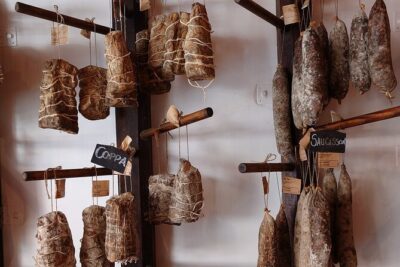
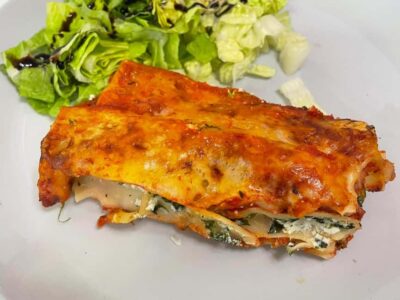
More Corsica charcuterie and cheese boards:
A peaceful walk through the vines
After the cellar part, you’ll get a walk in the vineyard through the vines. It’s not a strenuous hike. It’s a slow, hands-on way to connect the tasting to the physical reality of farming: the rows, the spacing, the way the vineyard setting supports the work.
This walk matters because it gives you time to reset. Wine tastings can become a blur of quick sips and rushing to the next pour. Here, the stroll helps you digest what you learned, and it makes your final picnic feel earned rather than staged.
If you go on a day with nice light, the walk is also a chance to see the vineyard from a calmer angle. You’ll have a break from explanations, and you can just pay attention.
Picnic in the vines: local seasonal food with water included
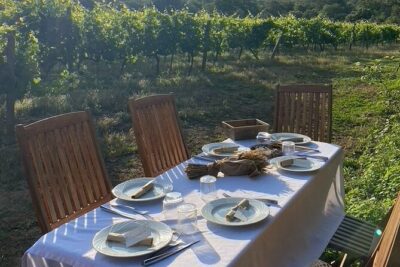
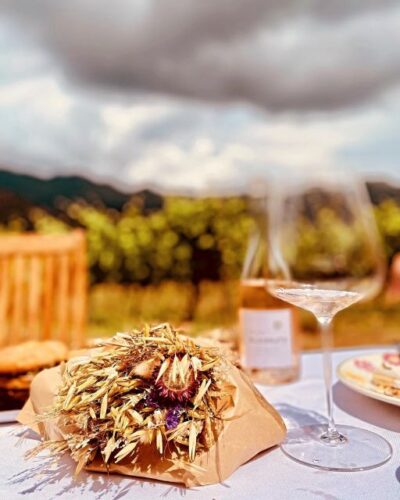
The day closes with picnic in the vineyard, made with local and seasonal products. This is one of the smartest parts of the experience, because it turns the tasting into a full meal rhythm. Wine and food are connected by design here, not by accident.
You’ll have fresh picnic food, and you’ll also be served both sparkling and still water. That means you can pace yourself during and after the tasting, which is important when you’re drinking alcoholic beverages included in the tour.
What makes this picnic feel special is the setting. You’re not eating in a parking lot. You’re eating where the grapes grow. It’s peaceful, and it gives you that rare travel moment where you slow down and let the place do the work.
If you are picky about food, you should still be fine, but remember it’s described as local and seasonal, not tailored to specific dietary needs in the information provided. If you have a serious allergy, it’s worth checking before you book.
Price and logistics: is $126.53 good value?
At $126.53 per person for about 3 hours, you’re paying for several things at once: guided wine education, alcoholic tastings, a cellar tour, and a vineyard picnic with water. Because you’re not buying food separately, the price feels more reasonable than a tasting that charges for a snack and leaves you hungry.
The small group size also supports the value. With a maximum of 15 people, you’re more likely to get real interaction and not just listen from the back row.
Now the logistics. Transportation is not included. You’ll drive yourself to the selected vineyard location. The start point is 20253 Patrimonio, France, and the experience ends back at the meeting point.
For you, that means two practical things:
- If you don’t have a car or you’re relying on taxis, plan ahead. The whole day depends on getting to the vineyard chosen for your date.
- Give yourself a little buffer time so you’re not rushed when you meet the guide.
Weather matters too. The tour requires good weather. If it’s canceled due to poor weather, you’ll be offered a different date or a full refund.
Who this Patrimonio wine tasting is perfect for
This tour is built for people who like wine but also want context. If you enjoy learning how a region became known for its grapes and methods, you’ll get a lot from the explanation portion.
It’s also a good match if you like experiences with a calm pace. The mix of cellar tour, tasting, vineyard walk, and picnic keeps the day from feeling like a sprint.
I’d especially recommend it for:
- Couples and small groups who want an easy half-day plan
- Anyone staying around Patrimonio or planning a base in the area
- Wine lovers who want Corsica-specific education, not generic French wine talk
It may be less ideal if you want a high-effort itinerary packed with many stops and long travel time, because this experience stays compact by design.
Should you book this wine tasting tour?
Yes, I think it’s worth booking if you want a Corsica wine experience that feels personal and grounded. You’re getting the things that usually cost extra on other tours: a cellar look, a real tasting with guide-led context, and a picnic in the vines with local seasonal food.
The biggest reason to choose it is the guide-led sensory approach, Emilie’s explanations tied directly to what you taste, and the relaxed finale in the vineyard. The one real tradeoff is transportation, since private transport is not included.
If you can drive to the vineyard meeting spot and you’re able to go when the weather cooperates, this is the kind of wine outing that turns into a memory you can taste for a long time.
FAQ
Where does the wine tasting in Corsica start?
It starts at 20253 Patrimonio, France. The activity ends back at the meeting point.
How long is the experience?
The tour lasts around 3 hours.
What is the group size?
The tour has a maximum of 15 travelers.
What’s included in the price?
Wine tasting with alcoholic beverages is included, along with a lunch picnic in the vineyard made with fresh local food. Bottled water is also included.
Do I need to bring my own transportation?
Private transportation is not included, so you will have to drive to the selected vineyard.
Can I purchase wine during the tour?
Yes, you can purchase wines, but there is no obligation.
Are service animals allowed?
Yes, service animals are allowed.
What happens if the weather is poor or I need to cancel?
The tour requires good weather. If it’s canceled due to poor weather, you will be offered a different date or a full refund. You can cancel up to 24 hours in advance for a full refund.
Newest sailings and days out near Corsica
- Ajaccio Must-see Attractions Private Walking Tour
★ 5.0 · 1 review - Escape Game Outdoor The Walking Dead in Ajaccio
★ 5.0 · 1 review - Single Life Burial in Ajaccio: Original Track Game
★ 5.0 · 1 review - Sea trip EN Propriano 2h
★ 5.0 · 1 review - The unmissable Scandola departure from Île-Rousse
★ 5.0 · 1 review - Escape Game Magic Team in the streets of Ajaccio
★ 5.0 · 1 review - Historical & Gourmet Getaway in Ajaccio from cruise port
★ 5.0 · 1 review
Wine Tours, compared.
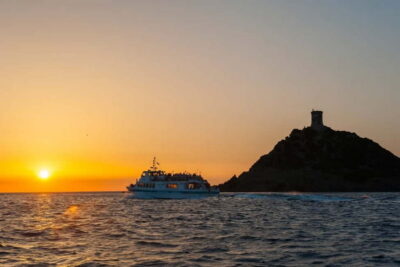
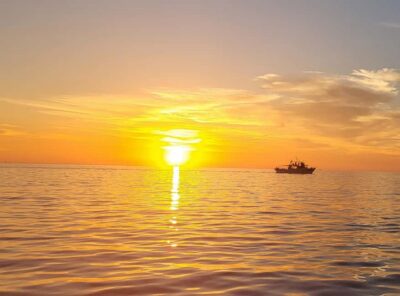
Visite en bateau avec final au COUCHER DE SOLEIL+vin Corse
Read our review →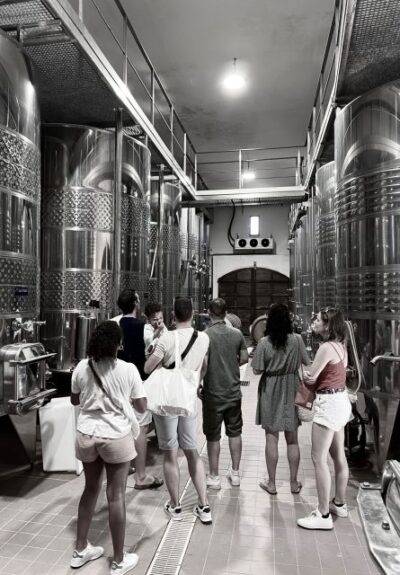
Wine tasting around Ile rousse & Calvi with Transport
Read our review →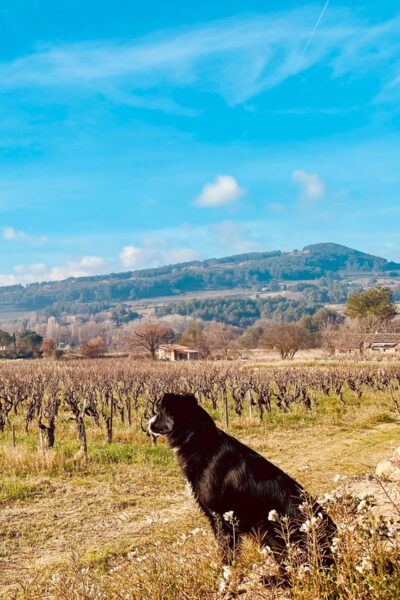
Browse the lists this tour appears in